A household preparedness plan should make sense to everyone who lives with it. Start with communication, emergency contacts, authorized access and secure storage before considering equipment.
Review everyday readiness
Know how household members contact one another and request emergency help. Keep key contacts accessible. Account for children, visitors, pets and people who may need assistance. Practical locks, lighting and communication belong in the plan; a device is not the answer to every concern.
Explain the purchase
Write down why a product is being considered and its manufacturer-stated purpose. A sporting airgun is not a substitute for a less-lethal force option, and a category label does not establish suitability for a home.
Control access
Decide who may handle equipment and how access is controlled. Follow the storage instructions for the platform and supplies. A bag or closed case is not automatically secure from unauthorized access.
Account for instruction and limits
Read the full manual before purchase. Identify qualified instruction and protection requirements and whether your household can meet them. Do not rely on claims that equipment cannot cause serious harm or guarantees protection.
Keep a short household file
- Product identity and correct manual
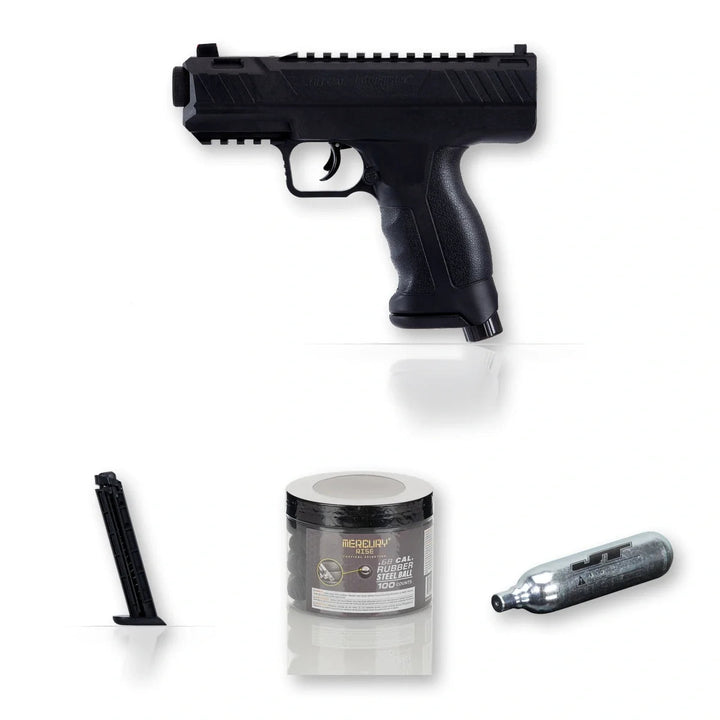
- Approved components and supplies
- Storage and authorized-access plan
- Manufacturer support contact
- Questions to settle before ordering
If a requirement remains unanswered, work on the plan rather than buying around it.
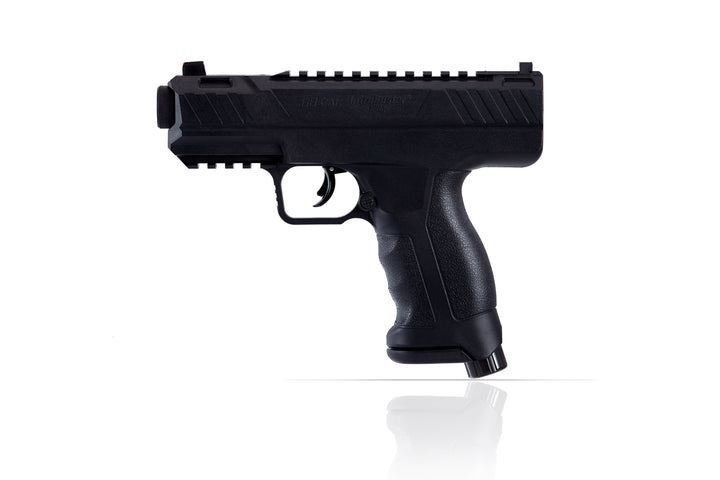
If your plan includes Milsig GD50 .50 Cal Less-Lethal Pistol or Mercury Rise IntruBuster GEN2 .68 Cal Prepared Kit, keep that particular model's manual and supplies in the household file. A retail listing does not decide whether the purchase suits your circumstances.